The opening
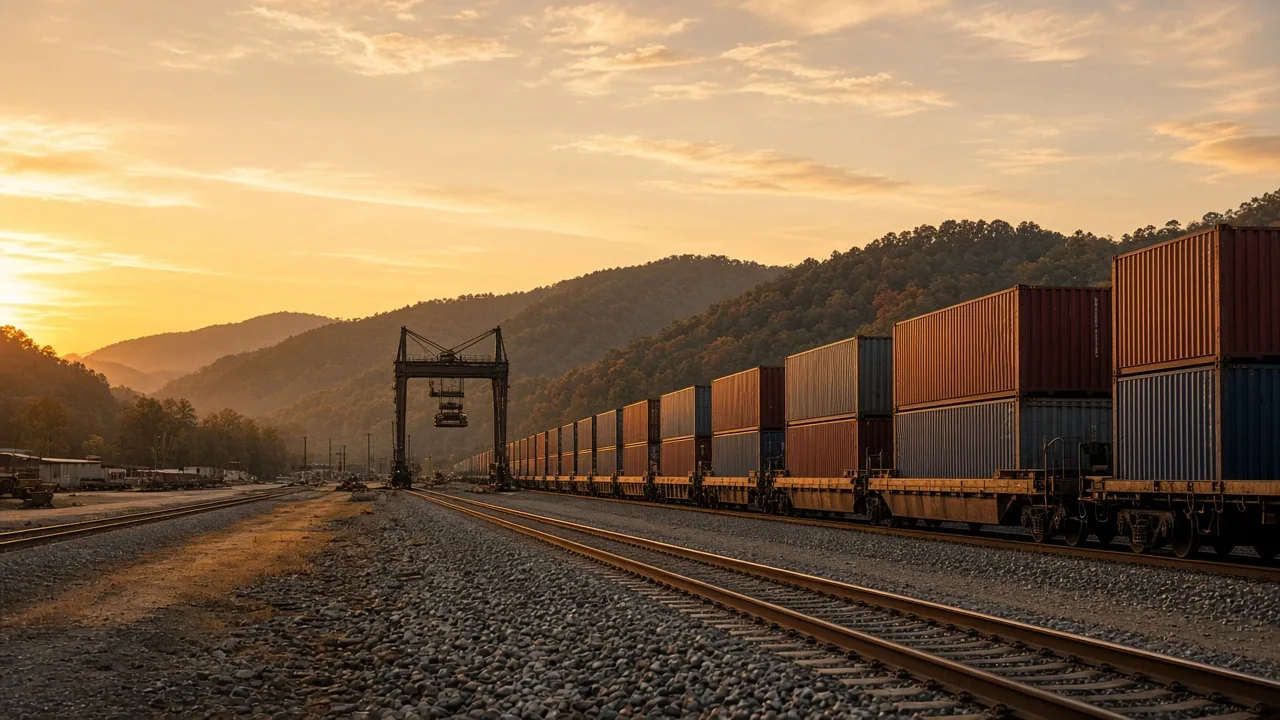
On October 29, 2026, Governor Brian Kemp joined Georgia Ports Authority leaders, Hall County officials and Norfolk Southern to cut the ribbon on the Gainesville Inland Terminal, the $134 million rail terminal that connects the Hall County industrial base to the Port of Savannah. Georgia Ports Authority CEO Griff Lynch called the opening one of the authority's most transformative projects, and state officials pointed to it as the link between the corridor's manufacturers and the port.
The numbers attached to the opening: the terminal is expected to move about 26,000 containers to rail in its first year, with annual capacity of about 200,000 containers at full build-out, and is projected to remove roughly 18 million truck-miles from Georgia roadways in year one. Georgia Ports also cited about 52,000 fewer truck trips through Atlanta in the opening year.
Where it sits
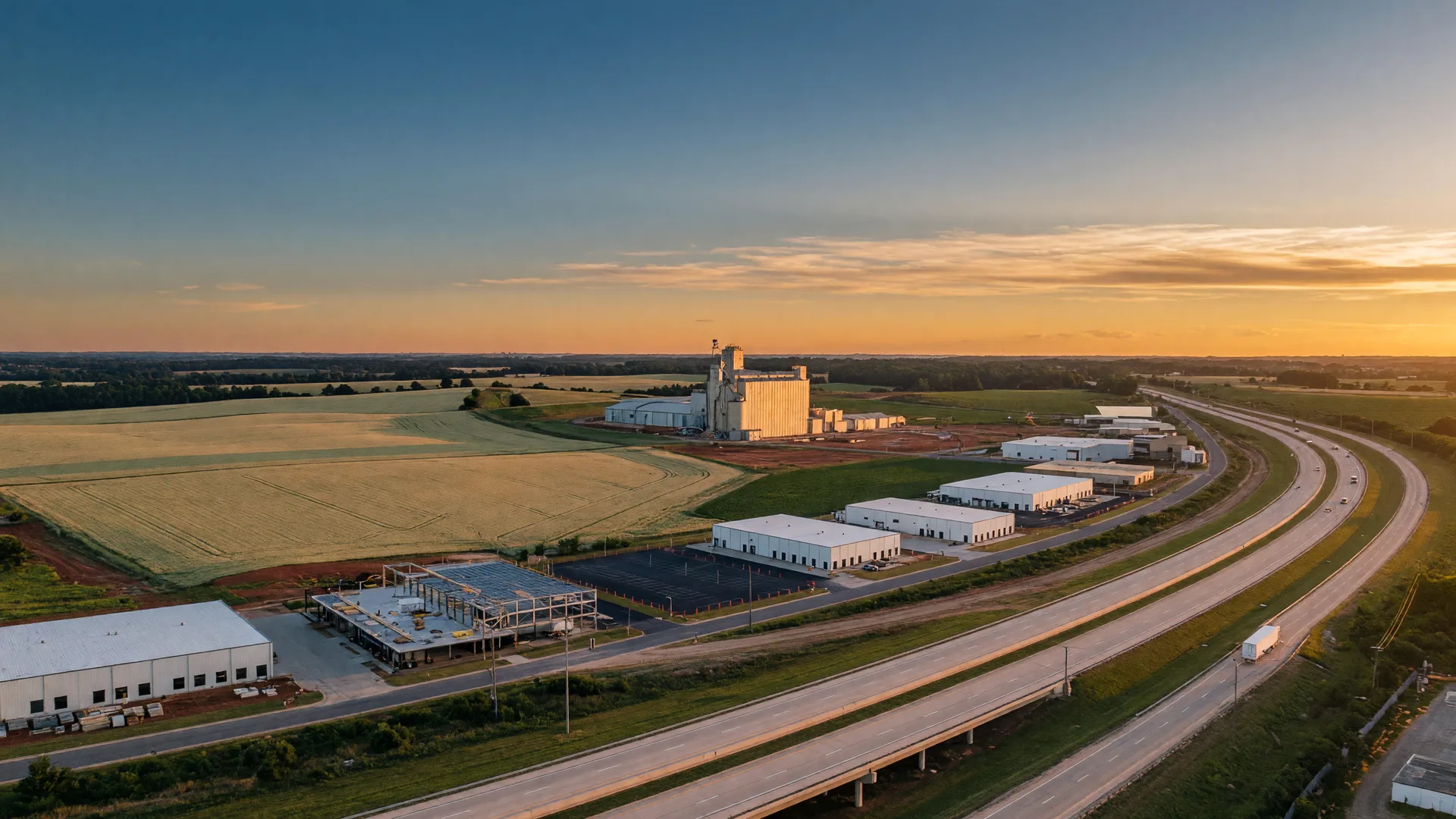
The terminal sits on the Gainesville side of Hall County, in the same industrial band this site tracks on the Gainesville brief and the Flowery Branch brief. Its service area runs to more than 300 manufacturers, the figure Governor Kemp cited at the ceremony, and Hall County reports that manufacturing, processing and logistics account for about a third of the local workforce.
Since 2020, Hall County officials say 78 new and expanding firms have added more than 4,800 jobs and about $2 billion in investment to Gainesville-Hall County. That is the same employer base the relocation guide files for the corridor's commute math.
The measured read
An inland port is infrastructure with a long fuse. It does not hire by itself, but it changes the arithmetic for every logistics and manufacturing employer in the region, because the cost and friction of moving freight is part of how sites get chosen. For the housing conversation, the terminal firms up the corridor's industrial story rather than rewriting it.
Buyers weighing Mulberry, Flowery Branch or Gainesville can read it as confirmation that the corridor's employment base keeps compounding in place. The measured line does not move: buy inside the practical commute ring, verify the district, and price to the comps, not the headline.
Sources
As reported by GPB News, October 30, 2026, Railway Age, October 2026, and James Magazine, November 2, 2026. Cost, capacity, job and truck-mile figures are as stated in the announcements and coverage, not estimates.

Written by
Rob Dietrich
Georgia REALTOR® with eXp Realty, AI Certified Real Estate Strategist, serving Gwinnett, Hall, Barrow and Jackson counties.
Read the full profile