
By Rob Dietrich | Local Real Estate & Community Development
November 21, 2026
Mulberry, Georgia, is growing, and with that growth comes some difficult decisions about what should be built, where it should go, and how new developments fit into existing neighborhoods.
One of the latest projects generating debate is a proposed Emmaus Church development at 3774 Thompson Mill Road, near the Hall County line.
Supporters see an opportunity to create a new place of worship, community connection, and family activity.
Opponents see something quite different: a large institutional development that could forever change the character of a predominantly rural-residential area.
With approximately 383 neighbors reportedly signing a petition opposing the proposal, the debate has become about much more than a church building.
So, what exactly is being proposed, what are the arguments on both sides, and what should nearby property owners consider?
What is Emmaus Church proposing?
- Approximately 46,000 square feet of building space.
- A sanctuary for worship services.
- Classrooms, offices, and fellowship halls.
- A special use permit to allow a place of assembly on property zoned RA-200.
- A height variance allowing a building up to 51 feet, compared with the normal 35-foot limit.
That last point is significant.
The proposed maximum building height is 16 feet above what would ordinarily be permitted—approximately 46% higher.
The city's Planning Commission recommended approval by a 3–1 vote, with one abstention, on October 20, 2026. However, that recommendation is not the final decision.
The matter is now scheduled for City Council consideration on December 3, 2026.
The case FOR the Emmaus Church development
1. A community facility that could serve generations
Churches can offer far more than weekly worship services.
They can provide youth programs, family support, volunteer opportunities, charitable initiatives, and places where residents build meaningful connections.
A thoughtfully managed facility could become a valuable part of the broader Mulberry community.
2. A long-term investment in the local area
A substantial church facility represents an investment in land, construction, and ongoing operations.
Construction may generate local business activity, while future staff and visitors could support nearby restaurants, stores, and service providers.
3. Traffic may be concentrated rather than constant
Unlike some commercial developments, a church may experience its busiest periods during scheduled services and events.
That could mean quieter periods during much of the working week.
However, the total traffic impact depends on attendance, event schedules, road capacity, and the actual access arrangements.
4. An opportunity to improve infrastructure
With appropriate approval conditions, the project might provide an opportunity to improve site access, landscaping, drainage, and road safety.
The crucial question is whether the improvements would adequately address the demands created by the development.
The case AGAINST the Emmaus Church development
1. Traffic on Thompson Mill Road
This appears to be one of the most substantial concerns raised by residents.
Thompson Mill Road serves established neighborhoods and carries local traffic through an area where road capacity and intersection safety already matter to residents.
A large gathering facility could create significant vehicle movements during peak services and special events.
Residents have also questioned whether emergency vehicles would be able to move efficiently through the area during congested periods.
The challenge is not simply how many vehicles arrive. It is how many arrive and depart within relatively short periods.
2. The scale of the proposed building
A 51-foot structure could look dramatically different from nearby homes and lower-scale development.
Even if a building is attractive architecturally, its mass, height, and visibility can affect the character of the surrounding area.
This raises a fair question:
If the established height limit is 35 feet, what justifies allowing 51 feet at this particular location?
The City Council must consider whether the circumstances support that exception.
3. Preserving Mulberry's rural-residential character
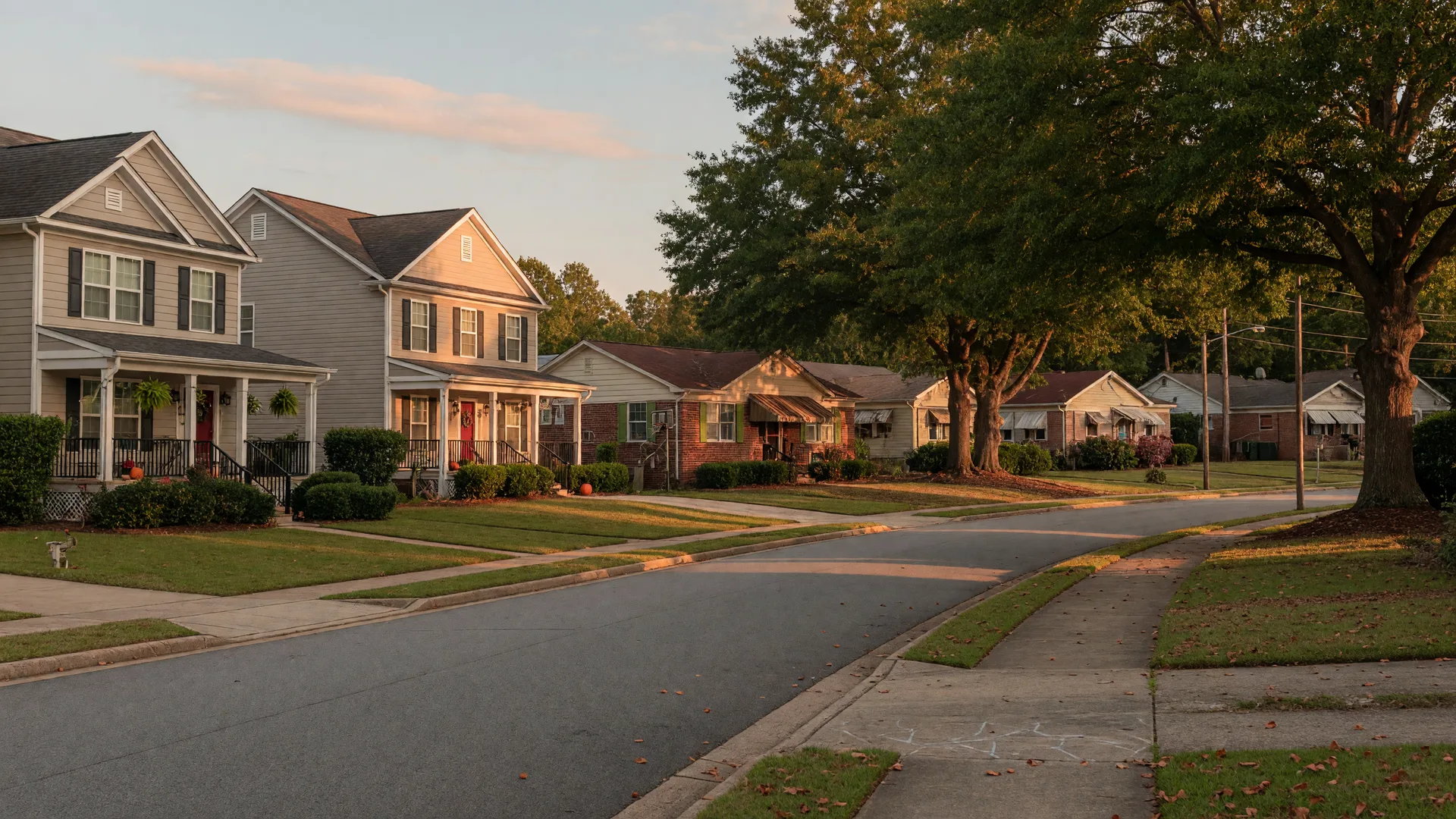
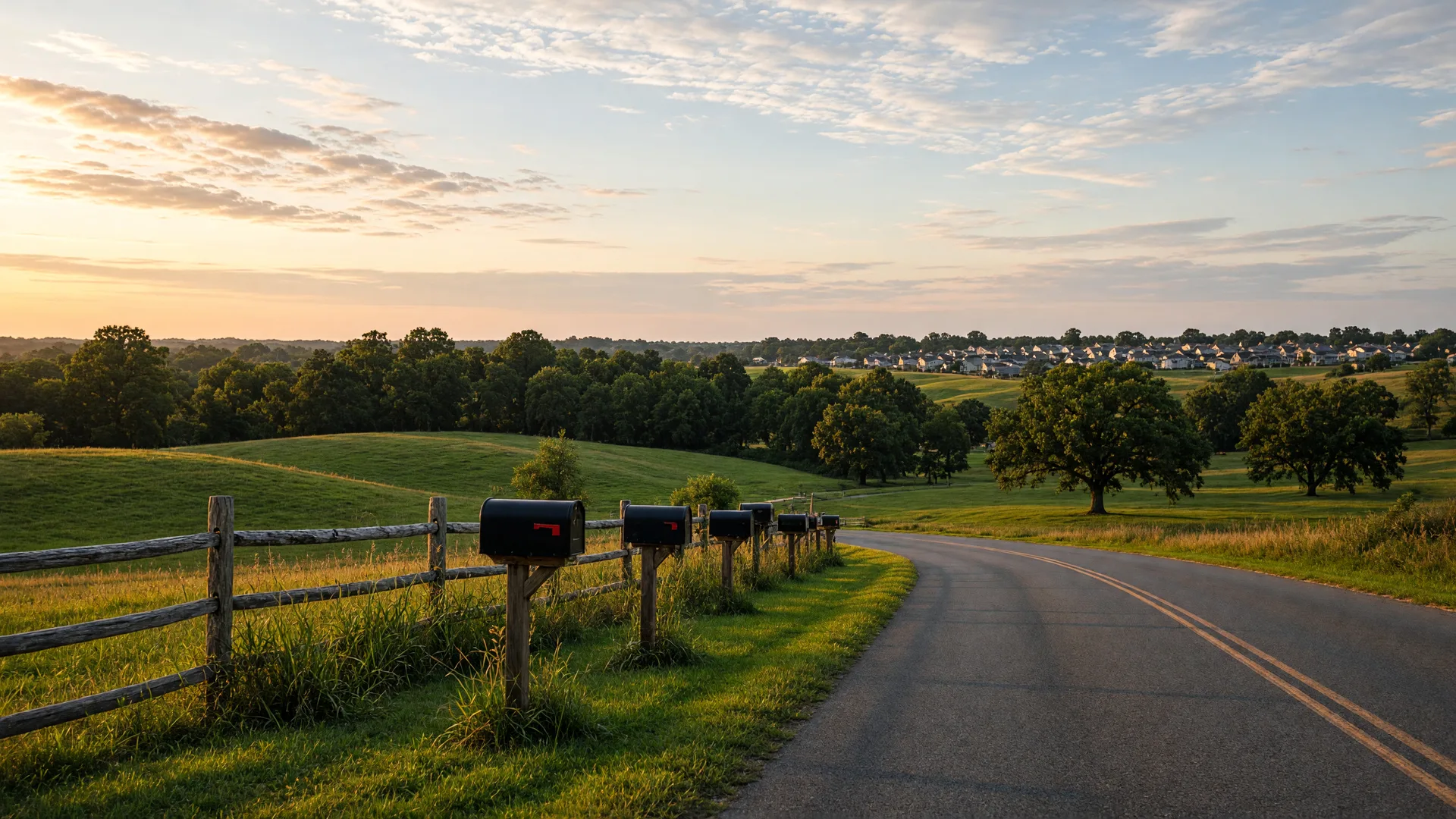
Part of what attracts people to sections of Mulberry and the Hamilton Mill area is the balance between suburban convenience, larger properties, mature trees, and relatively low-density surroundings.
A large assembly complex could change that balance.
Concerns raised during the planning process have included the project's physical scale, impervious surfaces, traffic, and potential future expansion.
4. Long-term impact on adjoining homeowners
For homeowners closest to the property, the issues may be particularly personal.
Potential concerns include increased traffic, views of a large building, parking-area lighting, noise during events, and reduced privacy.
These effects would depend heavily on the final site layout, buffers, landscaping, and operating conditions.
5. Setting expectations for future development
Mulberry is still establishing how it will manage growth and apply its development standards.
Residents may reasonably question whether approval of a substantial height variance could influence expectations for future projects.
Every application still requires individual consideration, but consistent planning decisions help establish confidence in the city's long-term vision.
Could this affect nearby home values?
This is where the conversation becomes especially important for local homeowners.
As a REALTOR® serving Mulberry, Hamilton Mill, Dacula, and surrounding communities, I believe it's essential to separate legitimate concerns from speculation.
There is no reliable basis to claim that this proposed church will automatically increase or decrease nearby property values.
Real estate is more nuanced than that.
A well-designed, professionally managed community facility can be an attractive neighborhood amenity.
On the other hand, some prospective buyers may be less enthusiastic about a property immediately adjoining a large parking area, facing additional traffic, or experiencing reduced privacy.
The impact may vary considerably from one house to the next.
For example, a home separated from the development by a substantial wooded buffer may experience very different conditions from a home directly overlooking the church entrance.
The relevant factors include proximity, road access, visibility, noise, landscaping, and how the finished development functions.
Any serious assessment of property-value impact should consider comparable home sales and actual buyer behavior rather than assumptions.
Five questions Mulberry should answer before approval
Before making a final decision, I believe the City Council should ensure residents have clear answers to five questions.
- 1. Has traffic been adequately addressed?
Does the traffic analysis account for peak services, overlapping events, intersection performance, and emergency access? - 2. Why is the additional building height necessary?
Has the applicant demonstrated why a design within the normal height limit is impractical? - 3. How will existing residents be protected?
What enforceable conditions will address landscaping buffers, lighting, noise, stormwater runoff, and privacy? - 4. What restrictions will apply to future events or expansion?
Will substantial changes in attendance, event use, or building size require further public review? - 5. How will compliance be monitored?
If conditions are attached to approval, who will enforce them and how will residents raise future concerns?
These are reasonable planning questions, regardless of anyone's religious beliefs or position on the application.
When will Mulberry make its decision?
The proposal is identified as Case SUP-2026.08.1716, associated with Ordinance 2026-11-189.
Following the November 5 public hearing, the City Council voted unanimously to postpone the second reading from November 19 until Thursday, December 3, 2026.
The meeting is scheduled at:
Mulberry City Hall
2078 Teron Trace, Suite 100
Mulberry, GA 30019
Residents should consult the city's official agenda for confirmed meeting details and participation procedures.
The application and its status can be reviewed at:
My perspective: The right development in the right place
I am not opposed to churches, community facilities, or responsible growth.
In fact, these can contribute enormously to the places we call home.
But I also believe existing homeowners deserve to know that the planning rules designed to protect their neighborhoods are being taken seriously.
The debate should not be about whether Emmaus Church deserves a place in Mulberry.
It should be about whether this particular project, at this particular scale, is appropriate for this particular location.
If the development can be designed and operated without creating unreasonable burdens on neighboring homeowners, that should be demonstrated through evidence and enforceable conditions.
If those concerns cannot be adequately addressed, the city should be willing to require meaningful changes.
Growth and neighborhood protection don't have to be enemies. Good planning should deliver both.
What do you think?
Would you welcome the proposed Emmaus Church facility on Thompson Mill Road, or do you believe the development is too large for the surrounding area?
I'd be interested to hear from residents on both sides.
And if you own a home in Mulberry, Hamilton Mill, or Dacula and have questions about how nearby development might affect your property's marketability, I'm always happy to discuss the local market and the factors buyers consider.
Rob Dietrich | eXp Realty
AI Certified Real Estate Strategist
Straight answers, smart strategy, and no mucking around.
https://www.robdietrich.com
Sources
- City of Mulberry — Development Applications Under Review: https://www.mulberryga.gov/179/Applications-Under-Review
- City of Mulberry — November 5, 2026 Council Minutes: https://www.mulberryga.gov/AgendaCenter/ViewFile/Minutes/_11052026-94
- October 21, 2026 local reporting on the Planning Commission recommendation: https://wgtjradio.com/planning-board-recommends-approval-of-plans-for-a-new-church/
Editorial note: This article discusses a pending application. It does not imply that construction has been approved. Information is current as of November 21, 2026.

Written by
Rob Dietrich
Georgia REALTOR® with eXp Realty, AI Certified Real Estate Strategist, serving Gwinnett, Hall, Barrow and Jackson counties.
Read the full profile